An option gives a developer time to study your property before it has to decide whether to buy or lease it. The study is where the developer learns whether there is a project, and the offer that follows should carry what the study showed. The paper you sign at the start sets how much of your time and your land the developer may use while the option runs, and the paper after an offer starts a development that can run for years before anything is built. Energy.LLC buys property or develops it with its owner, and what follows applies whichever developer sits across the table.
An option buys the developer time, not your property.
An option is a right, for an agreed period, to buy or lease your property on terms set out in advance. It is not a purchase, and the developer may let it lapse. Title stays with you while the developer gains access for surveys, testing and title work, and in most forms you agree not to sell to anyone else while the option runs.
Ask any developer how long the option runs and whether it can be extended, what it may do on the land and what you may still do there, what you are paid for the time, and whether the option may be handed to another party. The paper arrives written from the developer's side, so your own lawyer should read it; the guides that law firms and university extension programs publish on option agreements explain the clauses themselves.
The study decides whether there is a project at all.
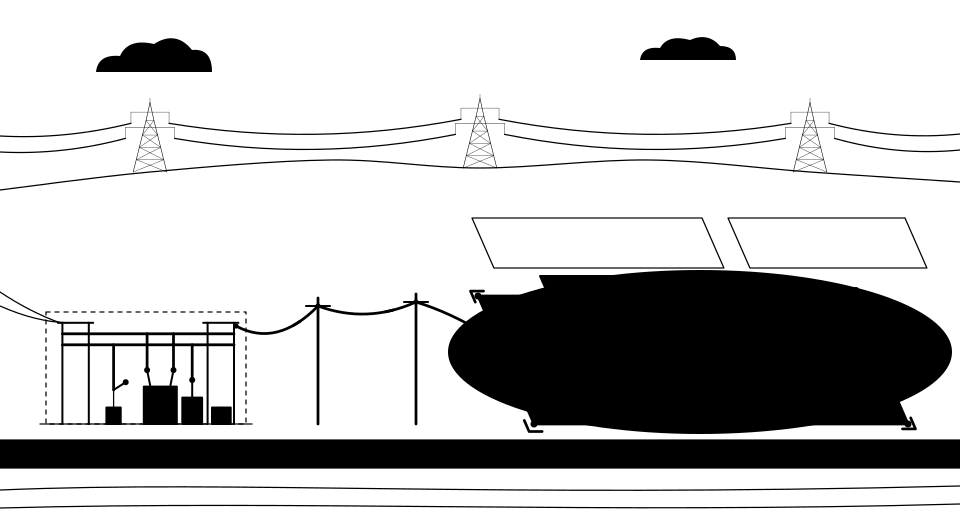
During the option the developer studies the property against everything a project depends on: whether power can reach it at the capacity, and by the date, a project needs, the approvals the town will require, the condition of the ground, the infrastructure around it and the economics. You know the ground and the town, and a developer doing the work will ask you about both. Power is the part neither of you can settle by looking: being near a high-voltage line proves nothing, and new service from the grid can take years to plan and build, so it is often the slowest question to answer.
The study asks patience and access of you, and it should give you information in return. Ask what the developer is studying, whether you will see what it learns about your property, and what happens if an answer is no.
An offer should come with its reasons.
The offer that follows a study can be to buy the property or to lease it, and it should say what the study showed and what the price rests on. A developer that has done the work can tell you which questions it answered, which remain open and who carries those; a figure without that account tells you little. Sometimes the honest end of a study is no offer at all, and saying so is itself an answer.
Energy.LLC gives a plain answer, because we know what can stop a project, and our proprietary site intelligence is behind the answer. When we name a number, we say where it came from. Ask any developer what its figure rests on, what it still assumes about power and approvals, and what changes if those assumptions fail.
After the paper is signed, the land waits on the work.
Signing an option, or the purchase or lease that follows it, starts the development rather than the construction. Before anything is built, the project needs the town's approvals, its power taken from a plan on paper to service at the property, and its engineering and construction brought onto the same schedule, and each waits on a decision that is not the developer's alone. That work can take years, so expect your land to stay much as it is for a long while; surveyors and testing crews are the most visible sign of progress.
While title stays with you, some of that work runs in your name: approvals are often sought in the owner's name or with the owner's written consent, and a new line or equipment crossing your land needs your signature on an easement, so ask that the paper say what you will be asked to sign. What it says about this period matters as much as the price. Ask who may use the land meanwhile, how the property is restored if testing disturbs it, what you are told as the project moves, and what becomes of the property, and of anything built on it, if the project does not proceed.
You can sell, or stay in the project with us.
An owner who would rather settle the matter can sell; an owner who would rather stay in the property can develop it with the developer instead. Energy.LLC offers both doors, and our page on landowner joint ventures sets out what that choice means. Say which way you lean before the option is drafted: the paper written toward a sale and the paper written toward a partnership are not the same document.
We sit on the buyer's side of the table, so you should have your own: everything goes in writing, and we like your lawyer in the room. The property form on our acquisitions page asks what you are considering, and an open conversation is a fair answer.
Questions this note answers
A developer wants to option my property. What should I know before I sign?
An option gives the developer a set period to study your property and the right, not the obligation, to buy or lease it on terms fixed now; title stays with you. Know how long it lasts and whether it can be extended, what the developer may do on your land and what you may still do, what you are paid for the time, and whether it can be handed to another party, and have your own lawyer read the paper before you sign.
What happens to my property after I sign with a developer, and how long until anything is built?
Usually nothing visible for a long while. The study comes first, and the approvals, the power and the construction all have to be in place before anything is built, so the time from signing to building can run to years because so much of it waits on decisions outside the developer's hands. Expect surveyors and testing crews, requests for your signature on approvals and easements, and otherwise a property that looks much as it did. The paper should say what may happen on the land meanwhile and what becomes of it if the project does not proceed.
Should I sell my land outright, lease it, or partner with the developer?
It depends on what you want from the property and how long you mean to stay in it. A sale settles the matter and passes the work and the risk to the buyer. A lease, where a developer offers one, keeps you as owner and pays you rent while the developer carries the project, with the land returning to you at the end on the terms the lease sets. A joint venture keeps you in the development and shares what it creates, which asks more patience and gives you more say. Energy.LLC's two doors are a sale and a joint venture; say which you lean toward before the paper is drafted.
Can I still use my land while it is under option?
In most option agreements, yes, within limits the paper sets. You usually keep farming, operating or occupying the property, while the developer gains access for surveys and testing and you agree not to sell or grant rights that would stand in the project's way. Those limits are negotiated, so your lawyer should read them with your own use in mind.
Tell us about the property, and we will say plainly what we see in it.
Send an inquiry